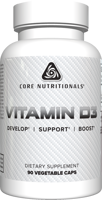
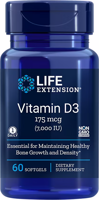
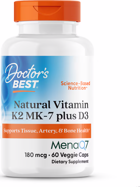
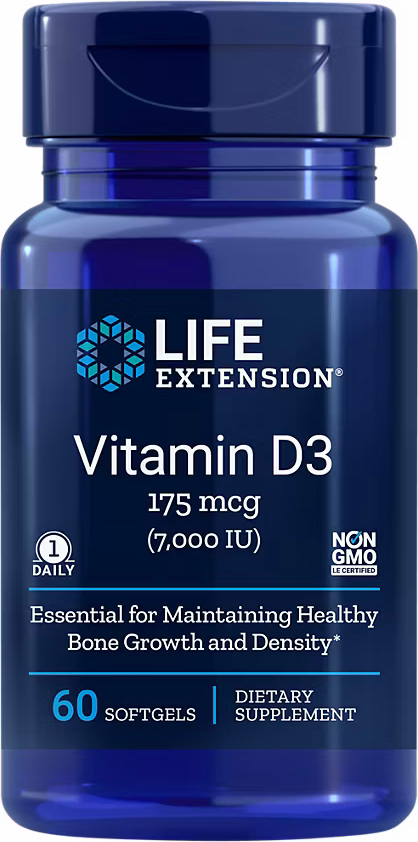
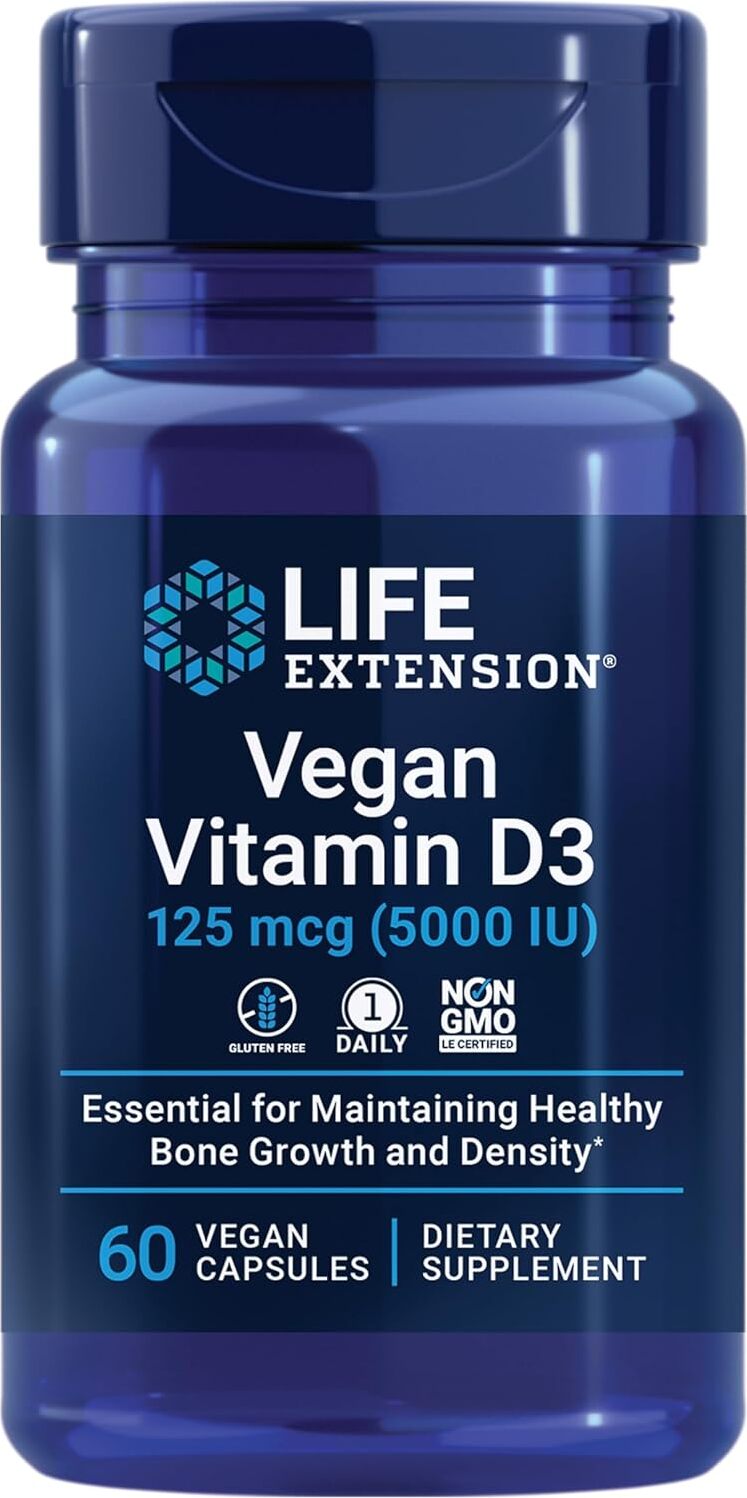
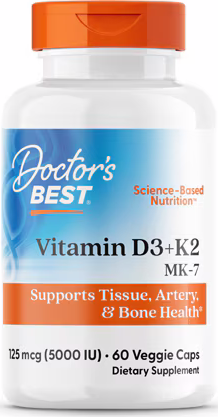
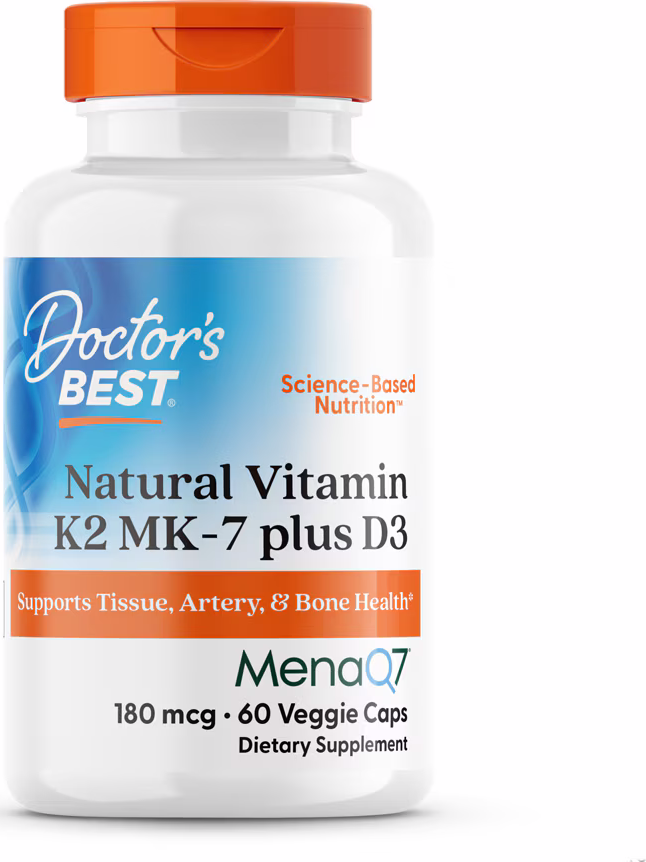
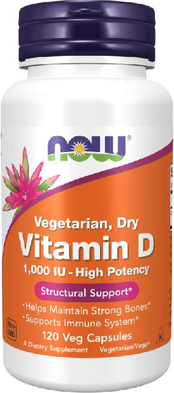
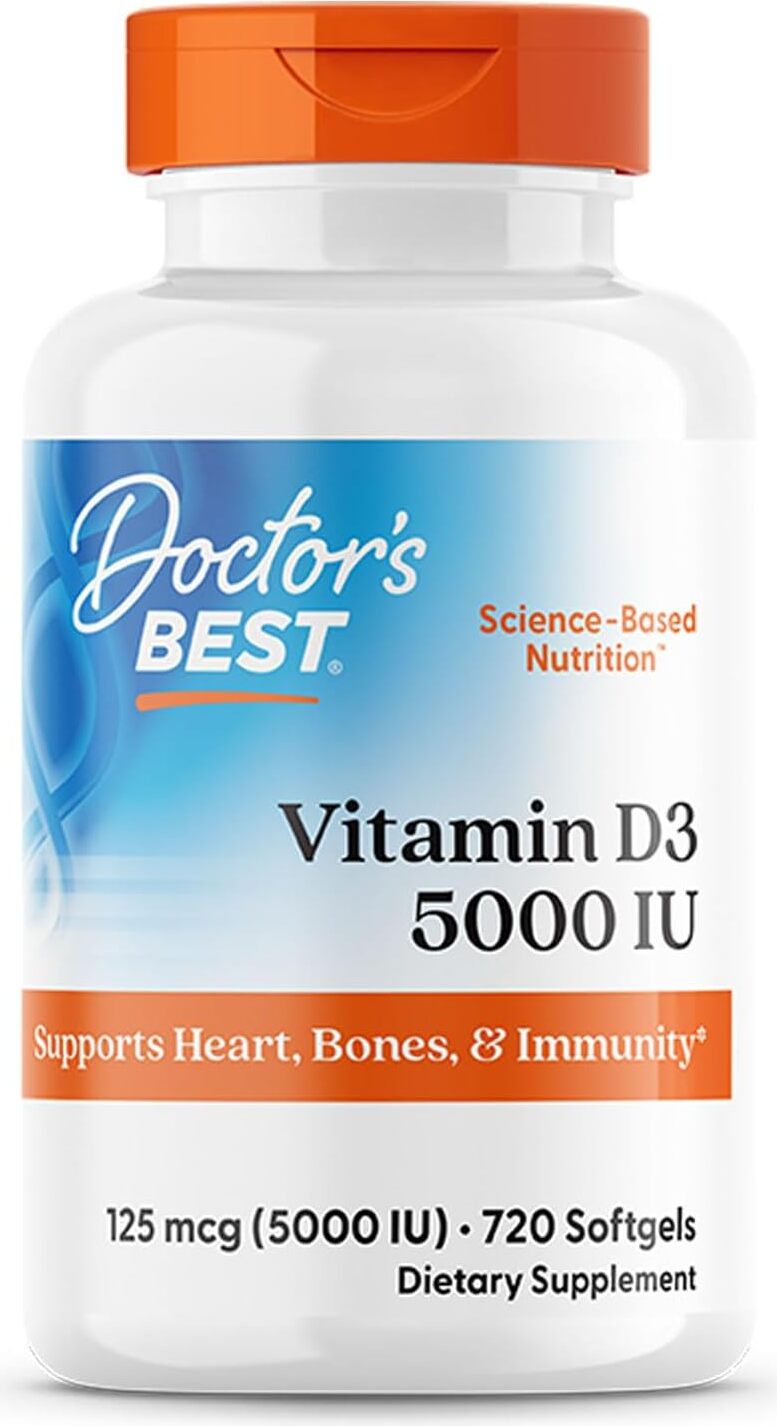
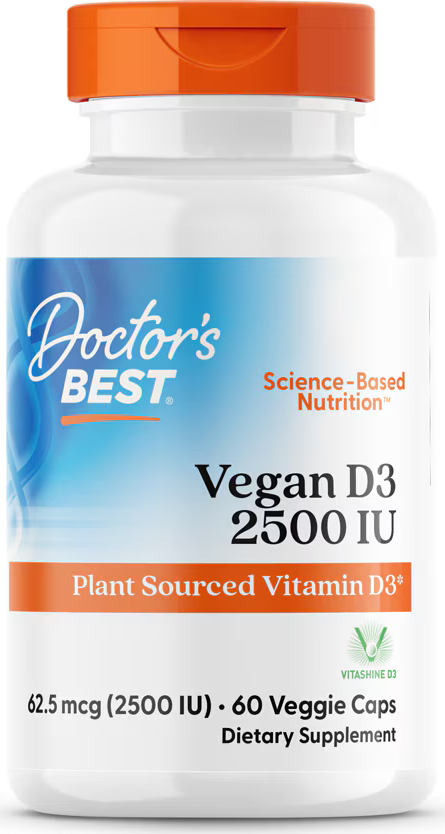
Vitamin D3 is the biologically active form of vitamin D, a fat-soluble vitamin that is essential to human health.[3] Vitamin D may be obtained through a healthy diet, as well as sun exposure.
This is one extremely underrated supplement, and given that it's so cheap, nearly everyone should take 2000IU-5000IU extra and benefit. Look at your multivitamin to make sure you're not already getting a lot of it before supplementing higher dosages.
Benefits
According to the National Institutes of Health, even though direct sunlight is an important source of vitamin D, "it is prudent to limit exposure of skin to sunlight in order to lower the risk for skin cancer. When out in the sun for more than a few minutes, wear protective clothing and apply sunscreen with an SPF (sun protection factor) of 8 or more. Tanning beds also cause the skin to make vitamin D, but pose similar risks for skin cancer."[9, 10]
What if you're not getting enough vitamin D? Should you be concerned? Today, vitamin D deficiency is identified as a pandemic.[4]
Vitamin D deficiency increases your risk for:[2]
- Several bone diseases
- Muscle weakness
- More than a dozen types of cancers
- Multiple sclerosis
- Type 1 diabetes mellitus
Testosterone levels
Suboptimal levels of vitamin D could result in lower testosterone levels. A 2010 study published in the journal Clinical Endocrinology, found that men with sufficient vitamin D levels — 25(OH)D — had significantly higher levels of testosterone and significantly lower levels of sex hormone binding-globulin (SHBG), compared to men who had insufficient levels of the vitamin.[11]
Testosterone is important for:[8]
In recent years, experts have advocated for raising the RDA for vitamin D.
- Optimal libido/sexual function
- Enhanced muscle mass
- Greater body composition
- Increased quality of life
- Decrease cardiovascular disease risk
Anti-cancer
Sufficient vitamin D levels may also reduce your chances of developing different types of cancers. A 2008 study performed at the University of Maine at Orono indicates that an increasing body of research supports the idea that the active form of vitamin D has "significant, protective effects against the development of cancer." Further, studies show an inverse association between sun exposure, vitamin D intake and serum levels, and risk of developing and/or surviving cancer."[5]
With all of this positive news about vitamin D and what it can do to optimize your health, researchers are still conducting research to identify optimal daily vitamin D supplementation amounts. Currently, the recommended daily allowance (RDA) for vitamin D is 600 IU, or international units.
Bone Health
Vitamin D plays a fundamental role in bone health. According to noted vitamin D expert, Dr. Michael Holick,"Vitamin D deficiency is an unrecognized epidemic among both children and adults in the United States. Vitamin D deficiency not only causes rickets among children but also precipitates and exacerbates osteoporosis among adults and causes the painful bone disease osteomalacia."[6]
In an earlier study, published in the Journal of Nutrition, Holick explains that "Vitamin D insufficiency and vitamin D deficiency is now being recognized as a major cause of metabolic bone disease in the elderly." Even at that time, experts understood that deficiency was responsible for causing osteomalacia and worsens osteoporosis.
To maintain bone health, Holick suggests increasing calcium intake to 1000mg to 1500mg per day, coupled with an adequate source of 400 IU/ vitamin D.[7]
Are you getting enough
Your doctor can perform a simple blood test that evaluates your vitamin D blood serum levels: 25-hydroxyvitamin D, or 25(OH)D.
If you reside in a sunny climate, you're more likely to have higher vitamin D levels compared to those who live in areas that get less sunlight. That's why it's important to have your levels checked annually, especially if you live in northern states, or Canada.
Updated RDA
In recent years, experts have advocated for raising the RDA for vitamin D. Starting in 2010, some in the medical community began talking about the country's collective vitamin D deficiency, and calling for officially raising RDA for all age groups. But not all organizations agreed. While the Institute of Medicine called for upping intake from 400 IU per day to 600 IU per day, the Vitamin D Council suggested an even higher RDA: 1,000 IU for infants and kids and 5,000 IU for adults.[15]
| Age | Vitamin D Council | Food and Nutrition Board |
|---|---|---|
| Infants | 1,000 IU/day | 400 IU/day |
| Kids and Teens | 1,000 IU/day per 25 lbs of body weight | 600 IU/day |
| Adults | 5,000 IU/day | 600 IU/day, 800 IU/day for seniors |
In addition to upping the RDA for vitamin D, many organization suggested raising the upper tolerable limit as well, from 2,000 IU per day to 4,000 IU. These changes were made in the belief that previous dietary reference intake amounts were insufficient.[16]
Guidelines
Current vitamin D requirements are being evaluated:
"The current vitamin D requirements in the United States are based on protection against bone diseases. These guidelines are being revised upward in light of new findings, especially for soft tissue health. The consensus of scientific understanding appears to be that vitamin D deficiency is reached for serum 25-hydroxyvitamin D levels less than 20ng/mL, insufficiency in the range from 20ng/mL to 32ng/mL, and sufficiency in the range from 33ng/mL to 80ng/mL, with normal in sunny regions range from 54ng/mL to 90ng/mL."[2]
Calcium absorption
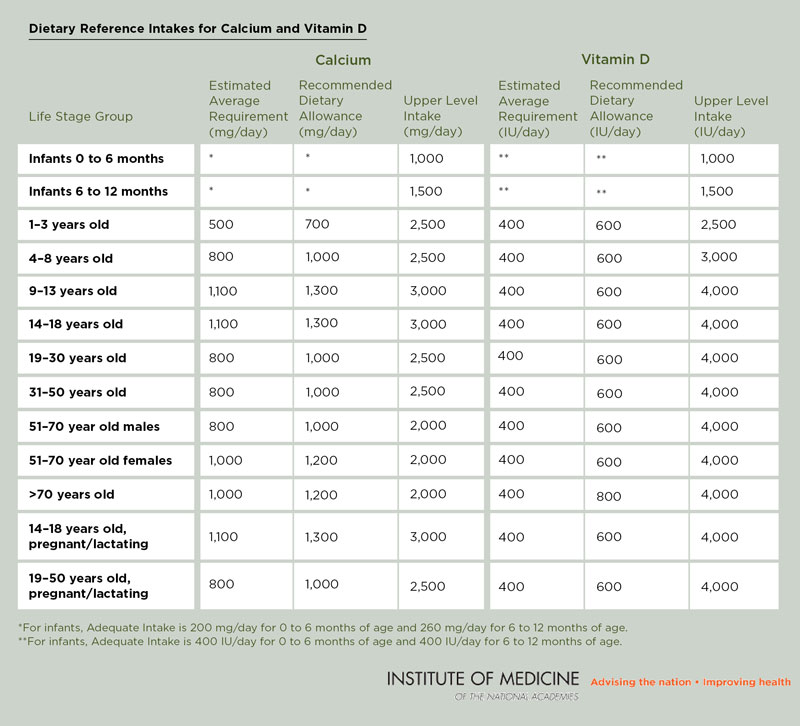
Vitamin D and calcium intake go hand in hand
A main function of vitamin D is to increase the absorption of calcium from the intestine.[1] Calcium is a mineral that promotes bone health, regulates blood clotting, and signals muscles to contract.[14]
Side effects
Vitamin D is generally regarded as very safe. Most people will not get to toxic levels, specifically those who get their vitamin D from food sources and sunlight. Taking mega-doses of the nutrient, however, can lead to toxicity.
The first sign is nausea and vomiting, and then excess urination and thirst. Daytime fatigue is another symptom of vitamin D overload.
Taking too much vitamin D over time can result in dangerously low blood pressure and blood sugar levels, which could cause complications for people with diabetes or hypoglycemia.
The biggest risks are for those who are already diagnosed with diseases, such as hyperparathyroidism, sarcoidosis, tuberculosis, and/or kidney disease. As always, speak to your doctor before beginning any diet or supplementation program.[12]
Sources
Foods rich in vitamin D include fatty fish, eggs, cheese, and milk. One of the easiest ways of getting your RDA is through direct sunlight. It takes roughly 15 minutes in the sun for your skin to synthesize the nutrient. According to the Vitamin D Council, "How much vitamin D is produced from sunlight depends on the time of day, where you live in the world and the color of your skin. The more skin you expose the more vitamin D is produced." Note that your body will create the vitamin very rapidly, "around half the time it takes for your skin to turn pink and begin to burn," according to the Council[13]
It's very important to understand that exposure to sunlight carries a significant risk for developing a dangerous melanoma. If you have a family history of skin cancer, the safest way to get vitamin D is through supplementation or food sources.
Best vitamin D supplement
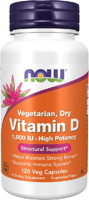
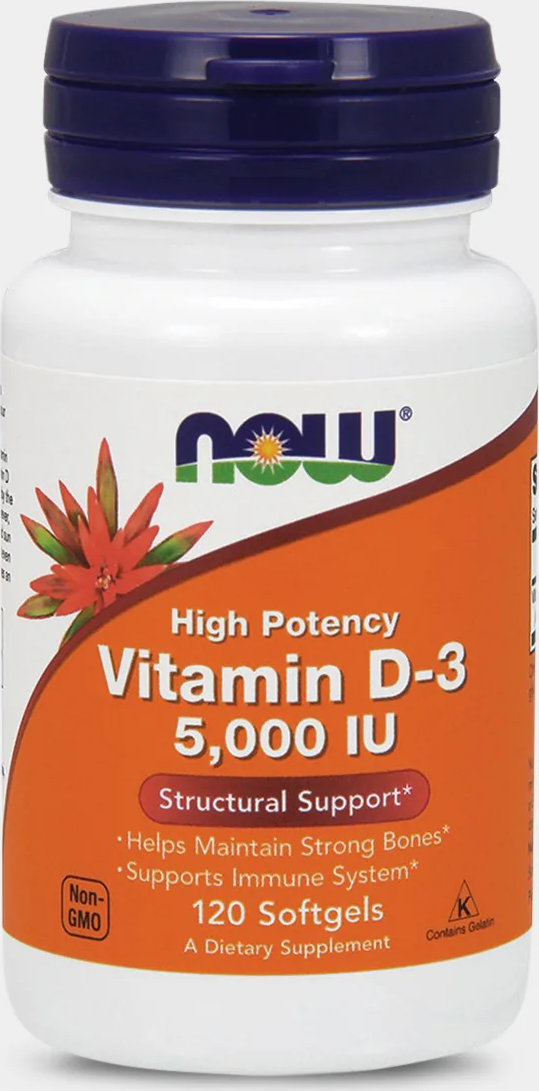
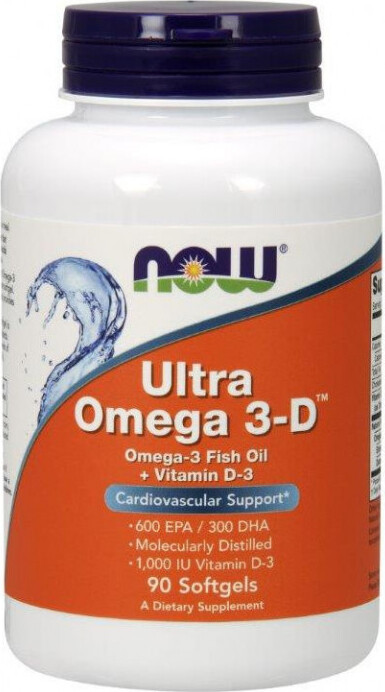
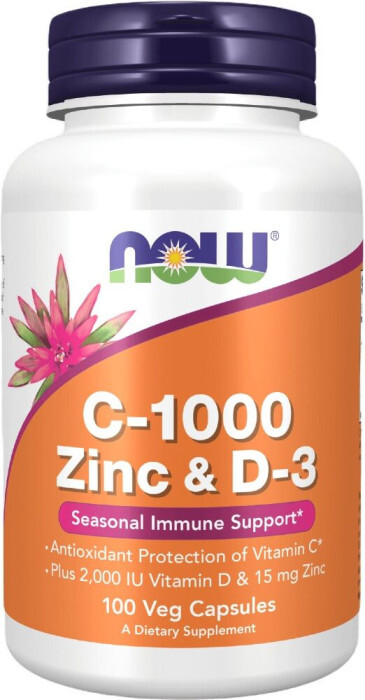
We're big fans of NOW Foods. They have a massive selection, and provide high quality vitamin D supplements at low prices — exactly what we look for here on PricePlow!
Where to buy
At PricePlow, we do the hard work for you and are constantly on the lookout for the best deals.
When you buy online, you save between 30% and 50% off retail prices. That might not be too much with Vitamin D since it's so cheap -- but it definitely adds up when looking at other products on this site, such as more costly staples, like protein products and multivitamins.
References
- Christakos S; Molecular and Cellular Endocrinology; "Vitamin D and intestinal calcium absorption;" December 2011
- Grant WB, Holick MF; Alternative Medicine Review; "Benefits and requirements of vitamin D for optimal health: a review;" June 2005
- University of California, Riverside; "History of Vitamin D;" Updated November 2011
- Holick MF, Chen TC; American Journal of Clinical Nutrition; "Vitamin D deficiency: a worldwide problem with health consequences;" April 2008
- Ingraham BA, et. al.; Current Medical Research and Opinion; "Molecular basis of the potential of vitamin D to prevent cancer;" January 2008
- Holick MF; American Journal of Clinical Nutrition; "Sunlight and vitamin D for bone health and prevention of autoimmune diseases, cancers, and cardiovascular disease;" December 2004
- Holick MF; Journal of Nutrition; "Vitamin D and Bone Health;" April 1996
- Bassil N, et. al.; Therapeutics and Clinical Risk Management; "The benefits and risks of testosterone replacement therapy: a review;" June 2009
- Vitamin D. June 2011
- The Office of Dietary Supplements; Vitamin D;" Reviewed June 2011
- Wehr E, et. al.; Clinical Endocrinology; "Association of vitamin D status with serum androgen levels in men;" August 2010
- Mayo Clinic, "Vitamin D;" Updated November 2013
- Vitamin D Council; "How do I get the vitamin D my body needs?"
- National Osteoporosis Foundation; "Calcium and Vitamin D: What You Need to Know"
- Joel Fuhrman, M.D.; Huffington Post; "How Much Vitamin D? Why Many Experts Take Issue With The IOM's New Recommendations;" December 2010
- Dr. Fuhrman: How to Live for Life; "Vitamin D recommendations have been raised, but not enough"
Vitamin D News on PricePlow
-
Jun 11, 2026 
YouTube Video
Is Asking About Supplements Too Personal? -
Jun 06, 2026 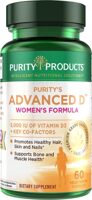
Product News
Purity Products Advanced Vitamin D - Men's Formula was created.
Category: Vitamin D3 -
Jun 06, 2026 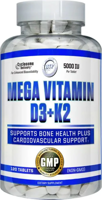
Product News
Hi-Tech Pharmaceuticals Mega Vitamin D3+K2 has new variations: Categories: Vitamin D3, Vitamin K2 -
Jun 01, 2026 Product News
Hi-Tech Pharmaceuticals Mega Vitamin D3+K2 was created.
Categories: Vitamin D3, Vitamin K2 -
May 26, 2026 
YouTube Video
Unmatched Supps Stem Cell: Recovery at a Cellular Level -
May 20, 2026 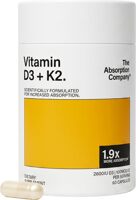
Product News
The Absorption Company Vitamin D3 + K2 was created.
Categories: Vitamin D3, Vitamin K2 -
May 07, 2026 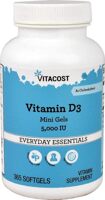
Product News
Vitacost Vitamin D3 has new variations: Category: Vitamin D3 -
Apr 18, 2026 Product News
Vitacost Vitamin D3 has new variations: Category: Vitamin D3 -
Apr 17, 2026 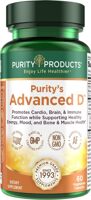
Product News
Purity Products Advanced D was created.
Category: Vitamin D3 -
Apr 17, 2026 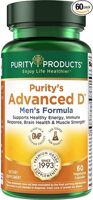
Product News
Purity Products Advanced D - Men's Formula was created.
Category: Vitamin D3 -
Apr 14, 2026 Product News
Vitacost Vitamin D3 has new variations: Category: Vitamin D3 -
Apr 14, 2026 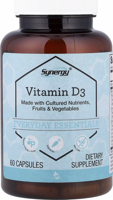
Product News
Vitacost Synergy - Vitamin D3 was created.
Category: Vitamin D3 -
Apr 10, 2026 Product News
Vitacost Vitamin D3 has new variations: Category: Vitamin D3 -
Apr 03, 2026 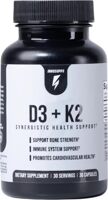
Product News
Inno Supps Vitamin D3 + K2 was created.
Categories: Vitamin D3, Vitamin K2 -
Mar 31, 2026 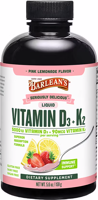
Product News
Barlean's Vitamin D3 + K2 was created.
Categories: Vitamin D3, Vitamin K2 -
Mar 31, 2026 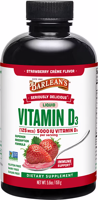
Product News
Barlean's Vitamin D3 was created.
Category: Vitamin D3 -
Mar 14, 2026 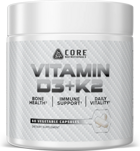
Product News
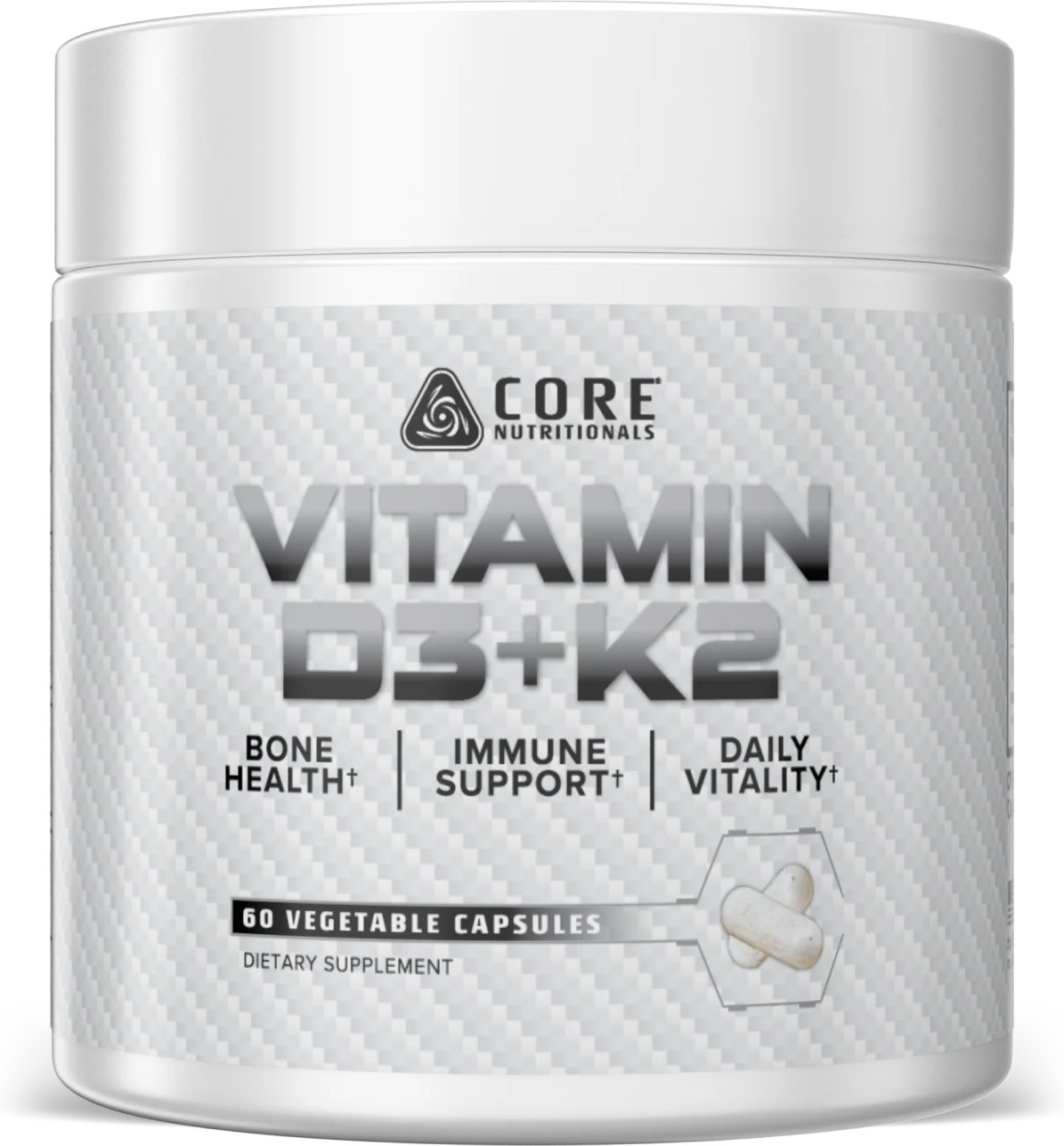
Core Nutritionals Vitamin D3+K2 was created.
Categories: Vitamin D3, Vitamin K2 -
Mar 08, 2026 Product News
Vitacost Vitamin D3 has new variations: Category: Vitamin D3 -
Mar 08, 2026 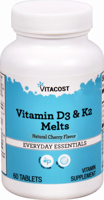
Product News
Vitacost Vitamin D3 & K2 Melts has new variations: Categories: Vitamin D3, Vitamin K2 -
Mar 06, 2026 Product News
Vitacost Vitamin D3 has new variations: Category: Vitamin D3 -
Mar 01, 2026 Product News
Vitacost Vitamin D3 has new variations: Category: Vitamin D3 -
Feb 11, 2026 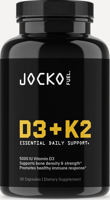
Product News
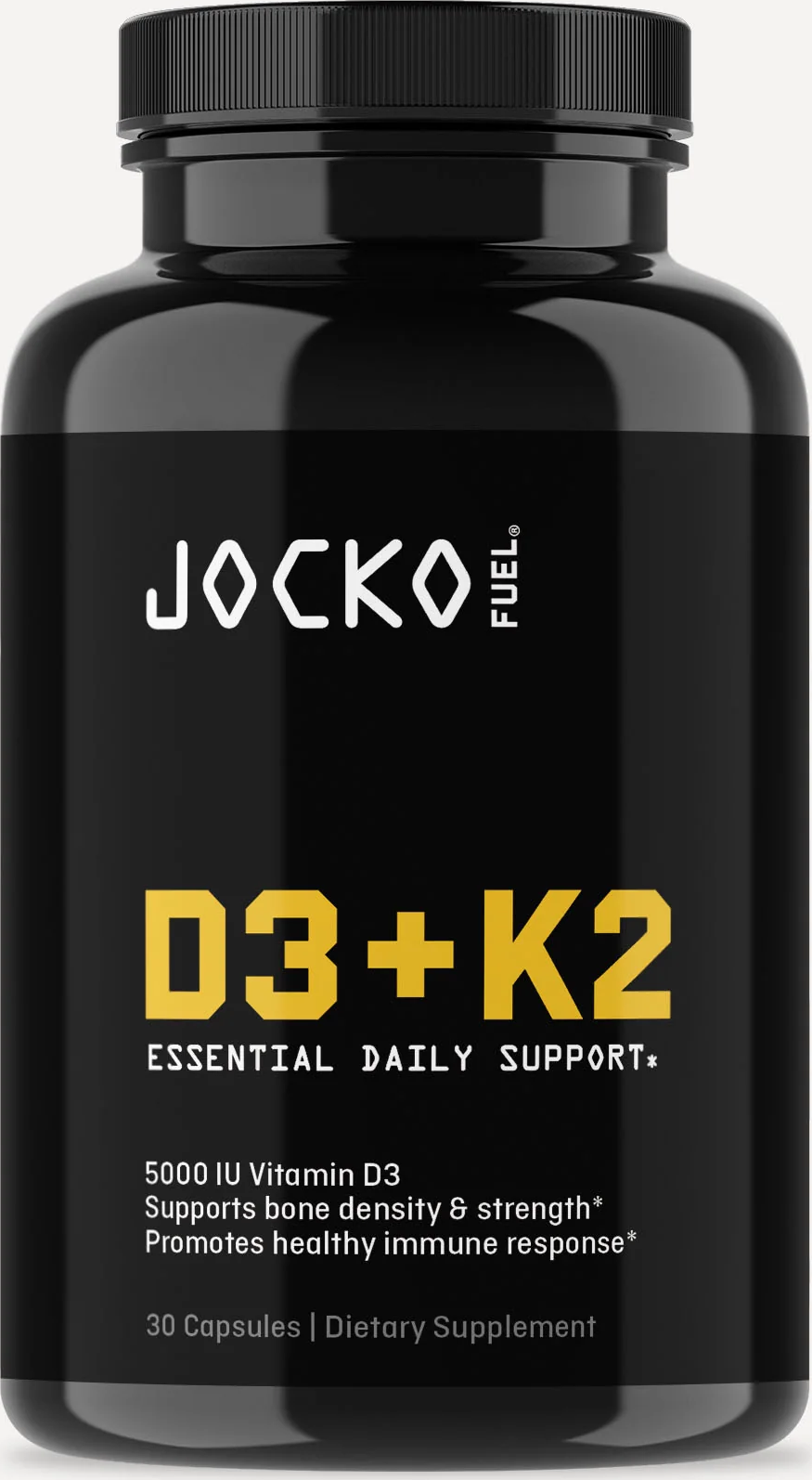
Jocko Fuel Vitamin D3 + K2 was created.
Categories: Vitamin D3, Vitamin K2 -
Feb 02, 2026 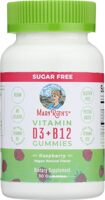
Product News
Mary Ruth's Vitamin D3+B12 Gummies - Sugar Free was created.
Categories: Gummy Supplements, Vitamin B12, Vitamin D3 -
Jan 20, 2026 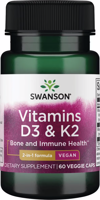
Product News
Swanson Vitamins D3 & K2 has new variations: Categories: Vitamin D3, Vitamin K2 -
Jan 07, 2026 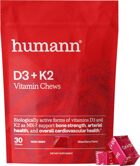
Product News
HumanN Vitamin D3 + K2 Chews was created.
Categories: Vitamin D3, Vitamin K2 -
Jan 04, 2026 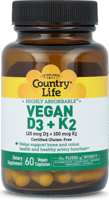
Product News
Country Life Vegan D3 + K2 has new variations: Categories: Vitamin D3, Vitamin K2 -
Dec 26, 2025 
Blog Post
Nutristat Wellness: Premium Health Support Beyond Performance
Nutristat extends their premium ingredient philosophy beyond performance supplements. Albion minerals, vegan D3, clinical doses. See the wellness collection. -
Dec 07, 2025 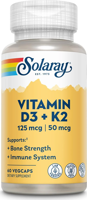
Product News
Solaray Vitamin D3 + K2 was created.
Categories: Vitamin D3, Vitamin K2 -
Dec 03, 2025 
Product News
Seeking Health Vitamin D3 was created.
Category: Vitamin D3 -
Dec 03, 2025 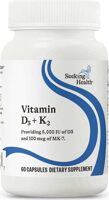
Product News
Seeking Health Vitamin D3 + K2 was created.
Categories: Vitamin D3, Vitamin K2 -
Nov 13, 2025 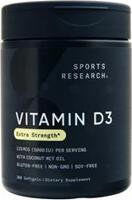
Product News
Sports Research Vitamin D3 has new variations: Category: Vitamin D3 -
Nov 12, 2025 
Product News
Sports Research Vegan Vitamin D3 was created.
Category: Vitamin D3 -
Nov 12, 2025 Product News
Sports Research Vitamin D3 was created.
Category: Vitamin D3 -
Nov 10, 2025 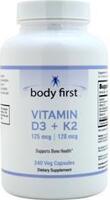
Product News
Body First Vitamin D3 + K2 was created.
Categories: Vitamin D3, Vitamin K2 -
Oct 28, 2025 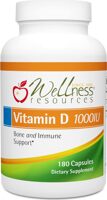
Product News
Wellness Resources Vitamin D was created.
Category: Vitamin D -
Oct 28, 2025 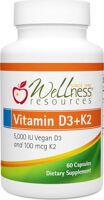
Product News
Wellness Resources Vitamin D3+K2 was created.
Category: Vitamin D3 -
Oct 03, 2025 Product News
Country Life Vegan D3 + K2 was created.
Categories: Vitamin D3, Vitamin K2 -
Oct 03, 2025 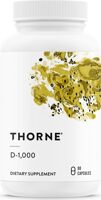
Product News
Thorne Research Vitamin D-1,000 has new variations: Category: Vitamin D3 -
Oct 02, 2025 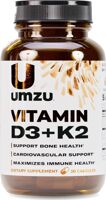
Product News
UMZU Vitamin D3 + K2 was created.
Categories: Vitamin D3, Vitamin K2 -
Sep 25, 2025 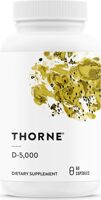
Product News
Thorne Research Vitamin D-5,000 has new variations: Category: Vitamin D3 -
Sep 14, 2025 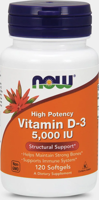
Product News
NOW Vitamin D-3 has new variations: Category: Vitamin D3 -
Sep 08, 2025 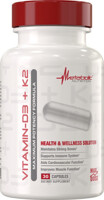
Product News
Metabolic Nutrition Vitamin-D3 + K2 has new variations: Categories: Vitamin D3, Vitamin K2 -
Aug 25, 2025 Product News
Metabolic Nutrition Vitamin-D3 + K2 was created.
Categories: Vitamin D3, Vitamin K2 -
Aug 24, 2025 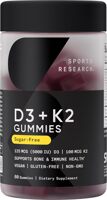
Product News
Sports Research Vitamin D3 + K2 has new variations: Categories: Gummy Supplements, Vitamin D3, Vitamin K2 -
Aug 22, 2025 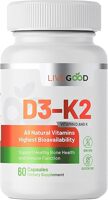
Product News
LiveGood Vitamin D3-K2 was created.
Categories: Vitamin D3, Vitamin K2 -
Jul 31, 2025 Product News
NOW Vitamin D-3 has new variations: Category: Vitamin D3 -
Jul 26, 2025 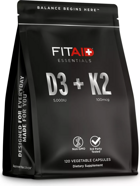
Product News
LifeAid FitAid+ Vitamin D3 + K2 was created.
Categories: Vitamin D3, Vitamin K2 -
Jul 07, 2025 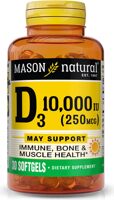
Product News
Mason Naturals Vitamin D3 has new variations: Category: Vitamin D3 -
Jun 29, 2025 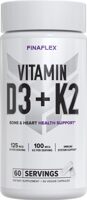
Product News
FinaFlex Vitamin D3 + K2 was created.
Categories: Vitamin D3, Vitamin K2 -
Jun 19, 2025 
Product News
Carlson Super D3 was created.
Categories: Gummy Supplements, Vitamin D3 -
Jun 19, 2025 
Product News
Carlson Super D3 + K2 was created.
Categories: Vitamin D3, Vitamin K2 -
Jun 18, 2025 
Product News
Gains in Bulk Vitamin D3 + K2 was created.
Categories: Vitamin D3, Vitamin K2 -
Jun 14, 2025 Product News
Advanced Bionutritionals Vitamin D3 was created.
Category: Vitamin D3 -
Jun 13, 2025 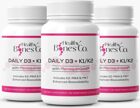
Product News
Healthy Bones Co Daily D3 + K1/K2 was created.
Categories: Vitamin D3, Vitamin K, Vitamin K2 -
Jun 01, 2025 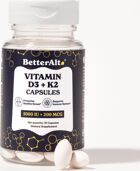
Product News
Better Alt Vitamin D3 + K2 Capsules was created.
Categories: Vitamin D3, Vitamin K2 -
May 22, 2025 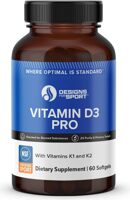
Product News
Designs For Health Vitamin D3 Pro was created.
Category: Vitamin D3 -
May 02, 2025 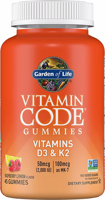
Product News
Garden of Life Vitamin Code - Vitamins D3 & K2 Gummies was created.
Categories: Gummy Supplements, Vitamin D3, Vitamin K2 -
May 02, 2025 
Product News
PLNT Vitamin D3 was created.
Category: Vitamin D3 -
Apr 30, 2025 
Blog Post
Earthlight: PLT Health's Vegan, Whole Food Vitamin D from Mushrooms
Earthlight Whole Food Vitamin D provides a vegan-friendly, plant-based alternative to traditional D3 supplements, using UV-exposed mushrooms grown in the USA. -
Apr 28, 2025 
YouTube Video
Soul Performance Nutrition Meridian Vitality Complex #MetabolicShield #MetabolicHealth #supplements -
Apr 14, 2025 
Product News
Rainbow Light Sunny Gummies Vitamin D3 was created.
Categories: Gummy Supplements, Vitamin D3 -
Apr 12, 2025 
Product News
Xymogen Vitamin D3 was created.
Category: Vitamin D3 -
Apr 10, 2025 
Product News
Mary Ruth's Vitamin D3 Gummies, Organic was created.
Categories: Gummy Supplements, Vitamin D3 -
Mar 30, 2025 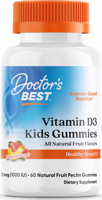
Product News
Doctor's Best Vitamin D3 Kids Gummies was created.
Categories: Gummy Supplements, Vitamin D3, Vitamins for Kids -
Mar 16, 2025 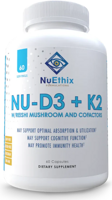
Product News
NuEthix Nu-D3 + K2 was created.
Categories: Vitamin D3, Vitamin K2 -
Feb 22, 2025 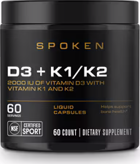
Product News
Spoken Nutrition Vitamin D3 + K1/K2 was created.
Categories: Vitamin D3, Vitamin K, Vitamin K2 -
Feb 16, 2025 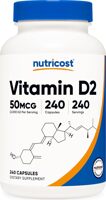
Product News
Nutricost Vitamin D2 was created.
Category: Vitamin D -
Feb 14, 2025 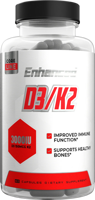
Product News
Enhanced Labs Vitamin D3/K2 was created.
Categories: Vitamin D3, Vitamin K2 -
Feb 12, 2025 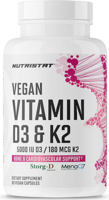
Product News
Nutristat Vegan Vitamin D3 & K2 was created.
Categories: Vitamin D3, Vitamin K2 -
Feb 12, 2025 
Product News
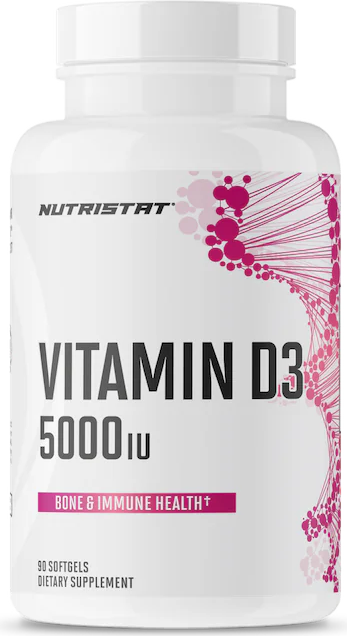
Nutristat Vitamin D3 was created.
Category: Vitamin D3 -
Feb 05, 2025 
Product News
SuperSmart Vitamin D3 Spray was created.
Category: Vitamin D3 -
Feb 05, 2025 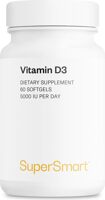
Product News
SuperSmart Vitamin D3 was created.
Category: Vitamin D3 -
Feb 05, 2025 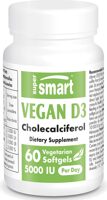
Product News
SuperSmart Vegan D3 was created.
Category: Vitamin D3 -
Jan 29, 2025 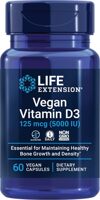
Product News
Life Extension Vegan Vitamin D3 was created.
Category: Vitamin D3 -
Jan 26, 2025 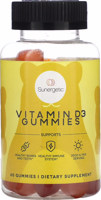
Product News
Sunergetic Vitamin D3 Gummies was created.
Categories: Gummy Supplements, Vitamin D3 -
Jan 23, 2025 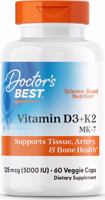
Product News
Doctor's Best Vitamin D3 + K2 MK-7 was created.
Categories: Vitamin D3, Vitamin K2 -
Jan 18, 2025 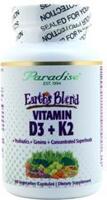
Product News
Paradise Herbs Earth's Blend - Vitamin D3 + K2 was created.
Categories: Vitamin D3, Vitamin K2 -
Dec 18, 2024 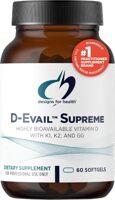
Product News
Designs For Health D-Evail Supreme was created.
Categories: Vitamin D, Vitamin K, Vitamin K2 -
Dec 02, 2024 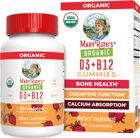
Product News
Mary Ruth's Vitamin D3 + B12 Gummies, Organic was created.
Categories: Gummy Supplements, Vitamin B12, Vitamin D3 -
Nov 11, 2024 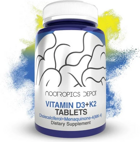
Product News
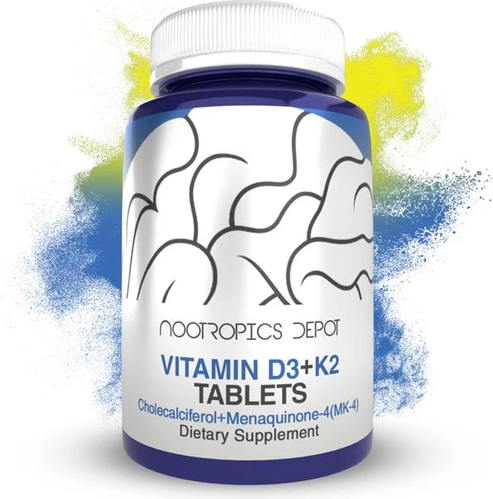
Nootropics Depot Vitamin D3+K2 was created.
Categories: Vitamin D3, Vitamin K2 -
Oct 31, 2024 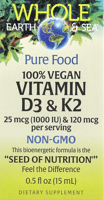
Product News
Natural Factors Whole Earth Sea - 100% Vegan Vitamin D3 & K2 was created.
Categories: Vitamin D3, Vitamin K2 -
Oct 17, 2024 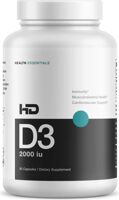
Product News
HD Muscle Vitamin D3 was created.
Category: Vitamin D3 -
Oct 15, 2024 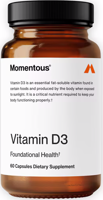
Product News
Momentous Vitamin D3 was created.
Category: Vitamin D3 -
Oct 15, 2024 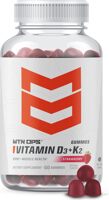
Product News
MTN OPS Vitamin D3 + K2 was created.
Categories: Gummy Supplements, Vitamin D3, Vitamin K2 -
Oct 07, 2024 
YouTube Video
The Absorption Company’s CALM: Nikki Reed’s Zembrin-Centered Stress Reliever -
Oct 04, 2024 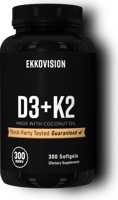
Product News
Ekkovision Vitamin D3 + K2 was created.
Categories: Vitamin D3, Vitamin K2 -
Oct 01, 2024 
YouTube Video
Force Factor Happy Mood: Reduce Stress and Boost Mental Clarity with Zembrin -
Sep 28, 2024 
YouTube Video
Out in The Desert with Jocko Hydrate Sticks -
Sep 28, 2024 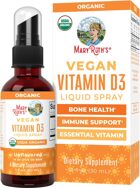
Product News
Mary Ruth's Vegan Vitamin D3, Organic was created.
Category: Vitamin D3 -
Sep 27, 2024 
YouTube Video
Vitamin D Leads to Calcification - Is it Making you Stiff and Sick? Dr. Garrett Smith on PricePlow -
Sep 26, 2024 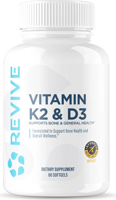
Product News
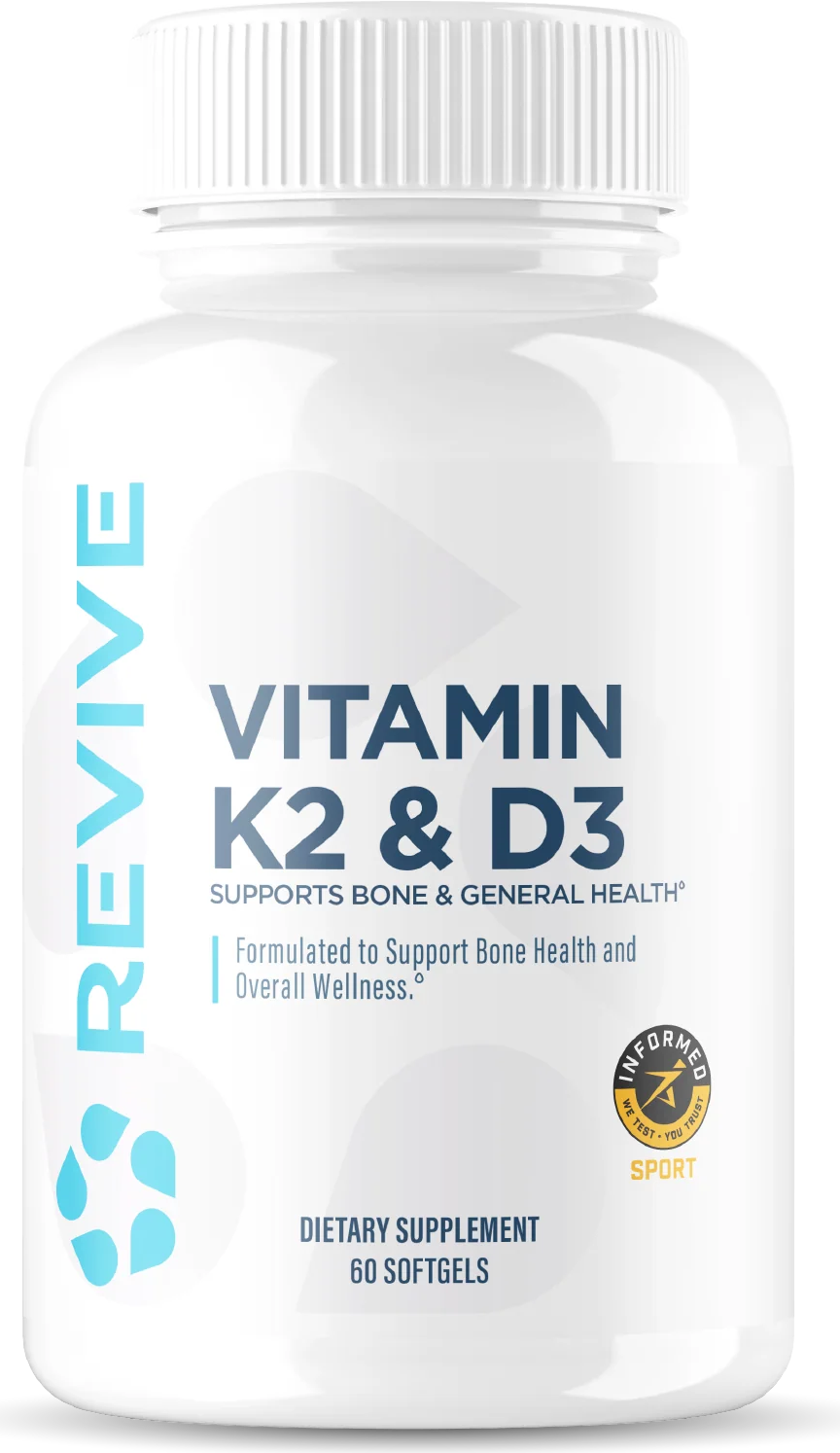
Revive MD Vitamin K2 & D3 was created.
Categories: Vitamin D3, Vitamin K2 -
Sep 25, 2024 
YouTube Video
VITAMIN A TOXICITY: Dr. Garrett Smith - PricePlow Episode 150 -
Sep 25, 2024 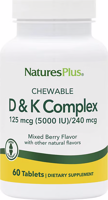
Product News
Nature's Plus Chewable Vitamin D & K Complex was created.
Categories: Vitamin D, Vitamin K -
Sep 22, 2024 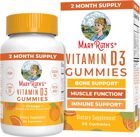
Product News
Mary Ruth's Vitamin D3 Gummies was created.
Categories: Gummy Supplements, Vitamin D3 -
Sep 22, 2024 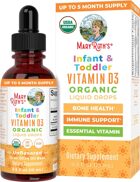
Product News
Mary Ruth's Infant & Toddler Vitamin D3 Liquid Drops, Organic was created.
Categories: Vitamin D3, Vitamins for Kids -
Sep 22, 2024 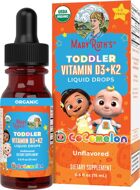
Product News
Mary Ruth's Toddler Vitamin D3+K2 Liquid Drops, Organic was created.
Categories: Vitamin D3, Vitamin K2, Vitamins for Kids -
Sep 22, 2024 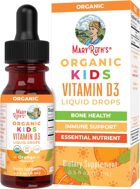
Product News
Mary Ruth's Kids Vitamin D3 Liquid Drops, Organic was created.
Categories: Vitamin D3, Vitamins for Kids -
Sep 22, 2024 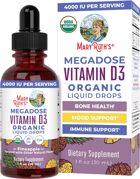
Product News
Mary Ruth's Megadose Vitamin D3 Liquid Drops, Organic was created.
Category: Vitamin D3 -
Sep 22, 2024 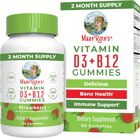
Product News
Mary Ruth's Vitamin D3 + B12 Gummies was created.
Categories: Gummy Supplements, Vitamin B12, Vitamin D3 -
Sep 22, 2024 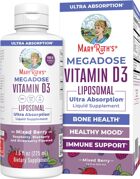
Product News
Mary Ruth's Megadose Vitamin D3 - Liposomal was created.
Category: Vitamin D3 -
Sep 21, 2024 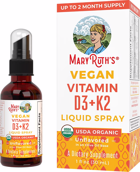
Product News
Mary Ruth's Vegan Vitamin D3+K2 Liquid Spray was created.
Categories: Vitamin D3, Vitamin K2 -
Sep 19, 2024 
YouTube Video
Enhanced Labs Top T: Harnessing ProtoTest and EndoFlo for Performance and Vitality -
Sep 13, 2024 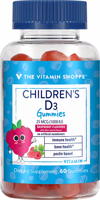
Product News
The Vitamin Shoppe Children’s Vitamin D3 was created.
Categories: Gummy Supplements, Vitamin D3 -
Aug 30, 2024 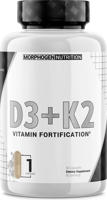
Product News
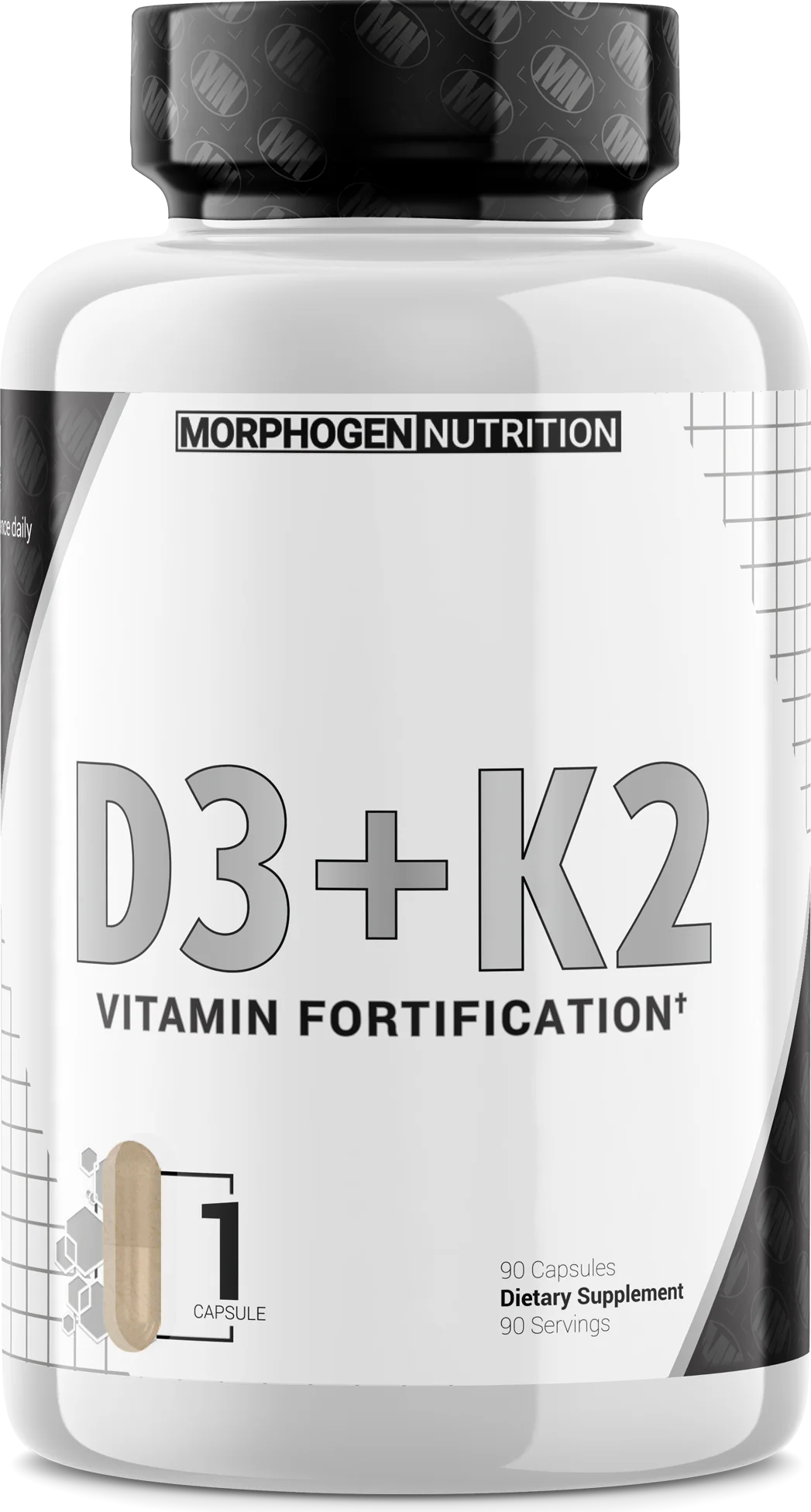
Morphogen Nutrition Vitamin D3+K2 was created.
Categories: Vitamin D3, Vitamin K2 -
Aug 05, 2024 
YouTube Video
Ghost Gamer NON-Stim TMNT Ooze is still Available on GNC's website! -
Aug 04, 2024 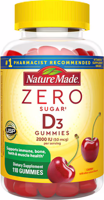
Product News
Nature Made Zero Sugar D3 Gummies was created.
Categories: Gummy Supplements, Vitamin D3 -
Aug 04, 2024 Product News
Mason Naturals Vitamin D3 was created.
Category: Vitamin D3 -
Jul 18, 2024 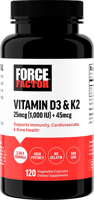
Product News
Force Factor Vitamin D3 & K2 was created.
Categories: Vitamin D3, Vitamin K2 -
Jul 15, 2024 
YouTube Video
The Potential of Geranylgeraniol: Beyond Muscle Building and T-Boosting -
Jul 10, 2024 
Blog Post
Formulating Five Supplements with GG-Gold (Geranylgeraniol): Formulator's Corner #12
With better knowledge of GG-Gold (GG / Geranylgeraniol) thanks to Dr. Barrie Tan, we've put together FIVE new supplement ideas using the ingredient. -
Jun 29, 2024 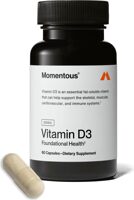
Product News
Momentous Vitamin D was created.
Category: Vitamin D -
Jun 29, 2024 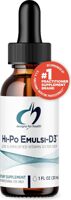
Product News
Designs For Health Hi-Po Emulsi-D3 was created.
Category: Vitamin D3 -
Apr 02, 2024 
YouTube Video
JOCKO WILLINK: Starting Jocko Fuel and Jocko's Supplement Stack | PricePlow 132 -
Apr 02, 2024 
Blog Post
JOCKO WILLINK | PricePlow Episode #132
Jocko Willink joins PricePlow for Episode 132 to talk about founding Jocko Fuel, doing the right thing, and Jocko's entire stack from start to finish -
Feb 01, 2023 
YouTube Video
A Multivitamin with MitoPrime, SAMe, & Boron! Glaxon Multi+ -
Nov 01, 2022 
YouTube Video
Why Split Vitamin D and Vitamin K? Dose Ratios! Revive MD -
Oct 10, 2022 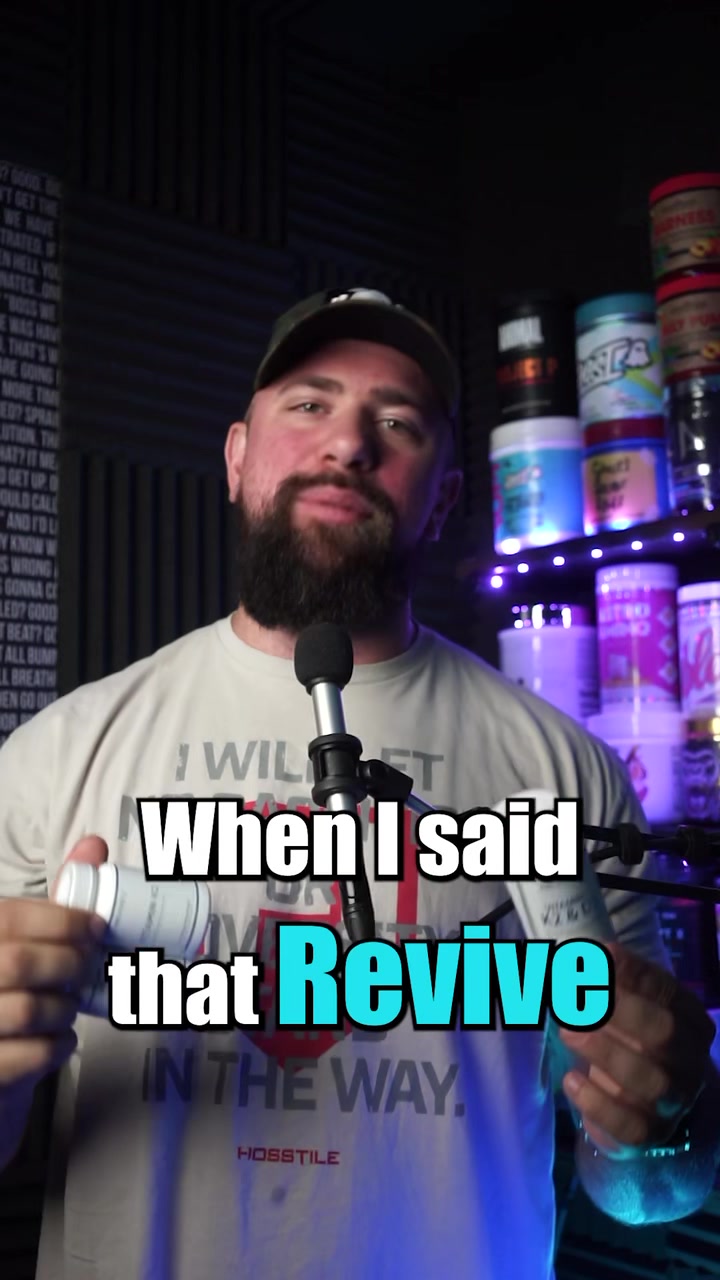
TikTok Video
@Revive MD -
Oct 06, 2022 
Blog Post
Revive MD Vitamin K2: Why Split from Vitamin D3?
Revive MD has split up their Vitamin D3 and K2 supplements – in this article we discuss why, and how they're using three forms of K2. -
Apr 21, 2022 
YouTube Video
(DISCONTINUED) American Metabolix Super-C -
Feb 08, 2022 
YouTube Video
Increase Testosterone WITHOUT TRT | MAXIMUS | Dr. Cameron Sepah -
Feb 07, 2022 
Blog Post
MAXIMUS: Testosterone Enhancement with Dr. Cameron Sepah | PPP #062
Dr. Cameron Sepah of Maximus joins to talk about boosting testosterone without TRT using his new telemedicine and coaching practice and ENCLOMIPHENE! -
Jan 17, 2022 
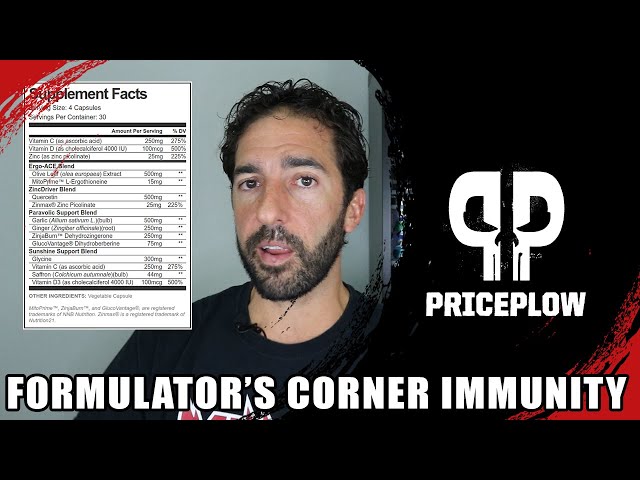
YouTube Video
My Dream Immunity Supplement | Formulator's Corner #6 -
Sep 14, 2021 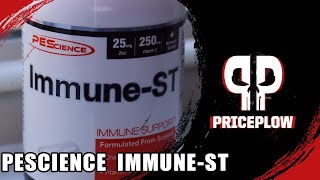
YouTube Video
A Low-Cost, High-Bioavailability Immunity Booster: PEScience Immune-ST -
Jan 22, 2021 
YouTube Video
Revive MD HEART Ingredient Breakdown! -
Apr 23, 2020 
YouTube Video
NutraBio IMMUNE: All-in-One Immune System Supplement! -
Apr 20, 2020 
YouTube Video
FIRST RESPONSE: NutraBio / Mark Glazier Give Back to First Responders -
Apr 02, 2020 
Blog Post
NutraBio EpiCor: The "Multi-Vitamin" For Your Immune System
NutraBio EpiCor is an immune system boosting supplement. EpiCor (dried yeast fermentate) stands out with a far different way of approaching immunity! -
Oct 23, 2018 
YouTube Video
The Genius Brand Muscle Builder Ingredient Breakdown! Worth it?! -
Jul 08, 2018 
YouTube Video
Are You Healthy? Four Blood Tests EVERYONE Should Get | Shawn Wells -
Jun 27, 2017 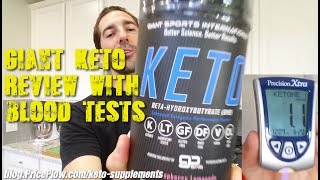
YouTube Video
Giant Sports Giant Keto Review - BHB Supplements WORK! -
Jun 06, 2017 
Blog Post
iForce SwoleMate - BCAAs with a Performance Boost
iForce SwoleMate is the latest innovation from iForce Nutrition that's much more than another copycat BCAA intra workout supplement.
Sign up for future Vitamin D news!
Click the button below to sign up for future Vitamin D news, deals, coupons, and reviews!
Vitamin D Price Alerts
The following price alerts are still active:
- Jun 15, 2026NOW Vitamin D-3 240 Softgels (only 5000 IU) dropped by 7.4% to $10.17 at Amazon
- Jun 10, 2026NOW Vitamin D-3 180 Softgels (only 1000 IU) dropped by 15.9% to $4.19 at Muscle and Strength
- May 28, 2026NOW Vitamin D-3 15 Capsules dropped by 12.5% to $6.99 at DPS Nutrition
- May 27, 2026NOW Vitamin D-3 30 Softgels (only 10000 IU) dropped by 13.9% to $3.99 at Muscle and Strength
- Apr 28, 2026NOW Vitamin D-3 120 Chewables dropped by 6.3% to $7.49 at AllStarHealth
- Mar 07, 2026NOW Vitamin D-3 30 Softgels (only 2000 IU) dropped by 14.5% to $2.43 at Tiger Fitness
- Jan 30, 2026NOW Vitamin D-3 1 Oz. dropped by 16.6% to $5.83 at iHerb.com
Sign up for future Vitamin D deals and coupons!
Click the button below to sign up for future Vitamin D deals, news, and coupons!
Vitamin D Reviews & Videos
-
Jun 11, 2026Is Asking About Supplements Too Personal?

-
May 26, 2026Unmatched Supps Stem Cell: Recovery at a Cellular Level

-
Apr 28, 2025Soul Performance Nutrition Meridian Vitality Complex #MetabolicShield #MetabolicHealth #supplements

-
Oct 07, 2024The Absorption Company’s CALM: Nikki Reed’s Zembrin-Centered Stress Reliever

-
Oct 01, 2024Force Factor Happy Mood: Reduce Stress and Boost Mental Clarity with Zembrin

-
Sep 28, 2024Out in The Desert with Jocko Hydrate Sticks

-
Sep 27, 2024Vitamin D Leads to Calcification - Is it Making you Stiff and Sick? Dr. Garrett Smith on PricePlow

-
Sep 25, 2024VITAMIN A TOXICITY: Dr. Garrett Smith - PricePlow Episode 150
-
Sep 19, 2024Enhanced Labs Top T: Harnessing ProtoTest and EndoFlo for Performance and Vitality
-
Aug 05, 2024Ghost Gamer NON-Stim TMNT Ooze is still Available on GNC's website!

-
Jul 15, 2024The Potential of Geranylgeraniol: Beyond Muscle Building and T-Boosting

-
Apr 02, 2024JOCKO WILLINK: Starting Jocko Fuel and Jocko's Supplement Stack | PricePlow 132

-
Feb 01, 2023A Multivitamin with MitoPrime, SAMe, & Boron! Glaxon Multi+

-
Nov 01, 2022Why Split Vitamin D and Vitamin K? Dose Ratios! Revive MD

-
Oct 10, 2022@Revive MD
-
Apr 21, 2022(DISCONTINUED) American Metabolix Super-C

-
Feb 08, 2022Increase Testosterone WITHOUT TRT | MAXIMUS | Dr. Cameron Sepah
-
Jan 17, 2022My Dream Immunity Supplement | Formulator's Corner #6
-
Sep 14, 2021A Low-Cost, High-Bioavailability Immunity Booster: PEScience Immune-ST
-
Jan 22, 2021Revive MD HEART Ingredient Breakdown!
-
Apr 23, 2020NutraBio IMMUNE: All-in-One Immune System Supplement!

-
Apr 20, 2020FIRST RESPONSE: NutraBio / Mark Glazier Give Back to First Responders

-
Oct 23, 2018The Genius Brand Muscle Builder Ingredient Breakdown! Worth it?!

-
Jul 08, 2018Are You Healthy? Four Blood Tests EVERYONE Should Get | Shawn Wells

-
Jun 27, 2017Giant Sports Giant Keto Review - BHB Supplements WORK!
Subscribe for more Vitamin D news and alerts!
Subscribe to PricePlow on YouTube, follow PricePlow on Instagram or click the button below to sign up for our latest Vitamin D news and reviews!